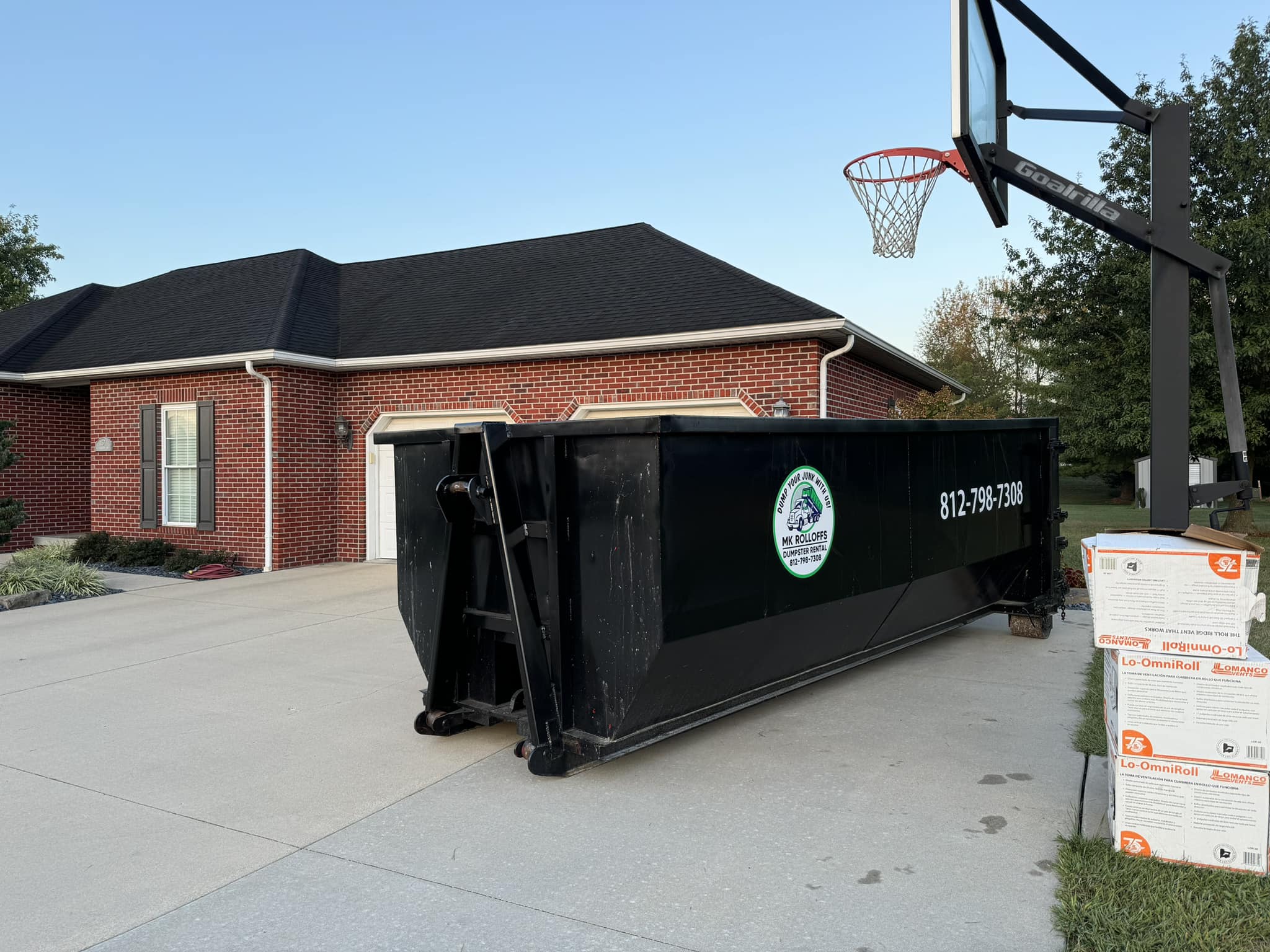
Every successful project depends on smart planning, and that includes managing waste efficiently. Whether you’re remodeling part of your property, doing a large-scale affordable dumpster rental cleanup, or dealing with heavy construction waste, a dumpster rental is the easiest way to keep everything organized. However, even the most well-planned projects can face unplanned issues if weight limits aren’t properly managed. Extra charges for overweight dumpsters are one of those preventable setbacks that can surprise renters and throw off a project plan.
At MK Rolloffs, we guide clients in learning about dumpster capacity and safe loading practices so they can make informed decisions before loading begins. Understanding the factors that add to dumpster weight and how to stay within limits ensures your rental runs smoothly from start to finish. With a little insight and foresight, anyone can stay within weight restrictions and complete cleanup with ease. The key is learning what affects dumpster weight and adjusting your process accordingly.
Identifying the Main Causes of Overweight Dumpsters
One of the most common causes of overweight dumpsters is underestimating how much certain materials weigh. Light debris such as packaging, wood scraps, and furniture might take up a lot of space but usually add minimal weight. However, heavy items such as roofing debris, dirt, and building blocks can quickly cause the total load to surpass limits even if the dumpster appears only half full. Recognizing material density helps prevent unintentional overloading.
Separating heavy items from general waste before you start loading can make a big difference. By grouping similar materials together, you can estimate total weight more accurately during disposal. It’s also helpful to avoid mixing heavy debris with lightweight items that can fill gaps inefficiently. Thoughtful preparation helps maintain balance and control throughout your cleanup.
Distributing Waste Properly for Safe and Balanced Loads
Proper loading is essential for controlling both weight and safety. When debris is piled unevenly throughout the container, it creates strain on the container that makes it unsafe to move. Uneven loads make hauling risky and can damage equipment. Spreading materials evenly helps maintain stability, protecting both your property and the hauling equipment.
Disassembling large objects helps optimize space and prevent imbalance. Collapsing cardboard, taking apart fixtures, and compressing debris allows for a neater and more even load. By arranging items thoughtfully inside, you’ll not only use capacity effectively without overloading. This simple habit reduces the risk of overweight charges and keeps your cleanup process running smoothly.
Why You Shouldn’t Combine Different Waste Types
Combining multiple waste categories in one container often leads to weight and safety issues. Heavy construction debris combined with household or yard waste often creates a load that exceeds allowable limits. Each type of material has a specific density, and combining them can make it difficult to stay within your rental’s weight capacity. Keeping heavy and light debris separate ensures better control over dumpster weight.
Keeping certain waste streams separate also helps ensure compliance with disposal regulations. Some materials require specific handling to prevent damage or contamination during processing. Sorting ahead of time prevents overweight complications and maintains responsible disposal practices. Having a set disposal plan helps you monitor waste effectively and stay within safe limits.
Choosing the Right Dumpster Size for Your Needs
Selecting a dumpster that suits your project’s scale is one of the most effective ways to avoid excess weight. Using a container that’s too small often leads to overfilling or compacting debris to fit everything in, which increases the risk of exceeding capacity. An adequately sized container allows for safe, convenient disposal while keeping within weight boundaries. Having extra space available is often smarter than filling to capacity before finishing the job.
At our company, we work closely with renters to match them with the most suitable dumpster. By discussing your project details ahead of time, we can recommend an option that comfortably handles the type and amount of debris you expect to generate. It helps ensure your dumpster can safely contain materials without becoming overweight. Selecting the right container saves time, promotes safety, and keeps your project efficient.
Being Aware of Moisture and Hidden Weight Factors
Water absorption is a hidden contributor to excessive dumpster weight. Materials like dirt, lumber, and cloth can retain moisture from weather, greatly increasing their mass. When wet materials are placed into the dumpster, the total load can exceed limits without anyone realizing it. Keeping materials dry until loading time helps prevent weight issues.
Aside from water retention, some items carry more hidden mass than expected. Furniture, roofing debris, and outdated appliances often include heavy internal parts. Disassembling large or dense materials before tossing them in helps maintain proper weight control. By staying mindful of these small details, you can keep your dumpster within safe limits throughout your project.
Why Staying Under the Fill Line Matters
Overfilled dumpsters are not only unsafe but also likely to exceed their weight limit. Adding more waste beyond the fill line seems convenient but can result in unsafe hauling conditions. For safety compliance, a dumpster must be fully covered before transport, so anything piled too high might need to be unloaded. A level load avoids safety issues and helps manage weight distribution effectively.
Smart loading, not random tossing, keeps everything balanced and efficient. Start with the heaviest debris at the base and layer lighter items above to maintain even weight. This approach maximizes space without surpassing the fill line or adding unnecessary weight. Maintaining a level load ensures your rental can be picked up without delay or additional charges.
Why Weight Estimation Helps Manage Your Rental Effectively
Exact measurements are rare, yet rough weight calculations can make a big difference. Understanding the general weight of common materials like concrete, wood, and metal helps you plan your disposal strategy more effectively. For large projects, you can divide waste by type and estimate the total weight to ensure it remains within limits. Having a rough idea of weight allows you to know when to pause and possibly order another dumpster.
Monitoring your loading progress ensures you’re not shocked by excess weight at pickup. Staged loading allows for adjustments before exceeding safe levels. This method provides greater control over how much is being disposed of at once. With a little monitoring, it’s easier to avoid going over capacity and maintain a smooth rental experience.
Organizing Early to Prevent Dumpster Overload
A little preparation goes a long way in preventing overweight dumpster issues. Plan ahead by sorting your waste materials before the dumpster arrives. Doing this lets you gauge debris volume accurately and load with ease when it’s time. Having a structured plan allows for a faster, more controlled cleanup.
Our advice to renters is to take a mindful, organized approach to disposal. Scheduling waste disposal in phases, sorting materials in advance, and maintaining an organized worksite all contribute to a smoother cleanup process. Thoughtful waste control leads to a cleaner site and keeps your project efficient. Developing these habits guarantees smoother rentals and better results overall.
Smart Strategies for Effective Waste Control
Smart planning and awareness help prevent overweight dumpster problems. When you understand what adds weight, how to distribute materials properly, and why it’s important to follow fill guidelines, you gain control over your cleanup. Staying mindful of what goes into the dumpster keeps your project efficient and stress-free. Consistent planning guarantees efficient and worry-free waste removal.
MK Rolloffs dedicates its service to promoting safe and responsible waste handling through dependable dumpster solutions. We take pride in providing solutions that make cleanup easier, more efficient, and environmentally conscious. By following the best practices for weight management, you can enjoy the benefits of a hassle-free rental while maintaining a clean, organized worksite. Our mission is to see customers complete their cleanup confidently and efficiently through smarter waste handling.